

Turmeric: Health Benefits, Uses and How to Add It to Your Everyday Diet
Nov 10, 2026

Turmeric is one of those spices that does more than add color to your food. It is known for its beautiful golden-yellow color, warm aroma and slightly earthy, peppery taste, turmeric has been used in cooking for generations. It is also widely recognized for its potential health benefits, particularly because of a natural compound called curcumin.
From adding a little turmeric to your rice and soups to preparing a comforting cup of turmeric tea, there are several ways to enjoy this versatile spice.
But what exactly does turmeric do in the body? Is turmeric good for you? What are its health benefits, and how can you use it in your everyday meals?
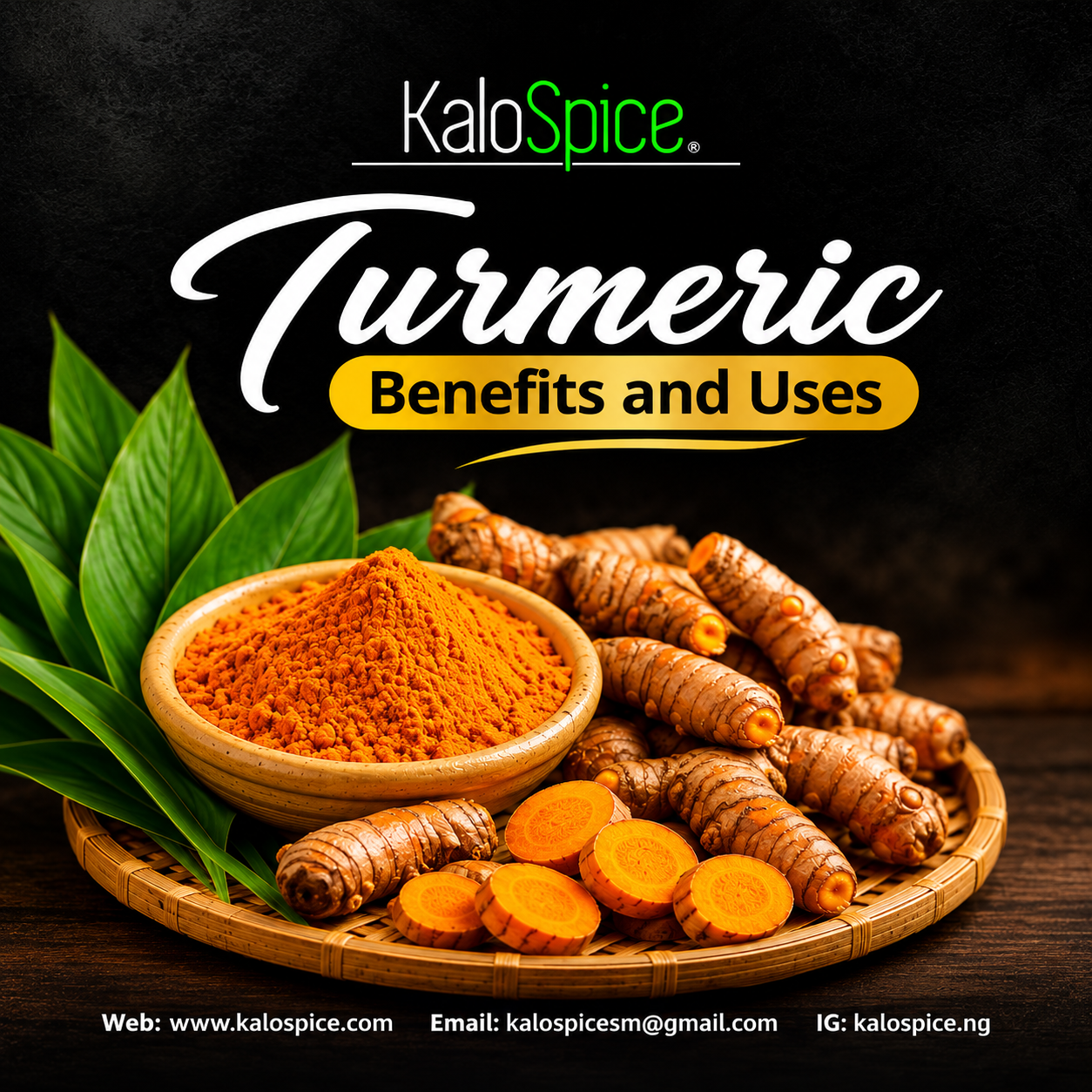
Turmeric is a spice obtained from the underground stem, known as a rhizome, of a plant called Curcuma longa. It belongs to the ginger family and is widely used in Asian and African-inspired cooking.
Although fresh turmeric looks similar to ginger on the outside, its inside has a distinctive deep orange-yellow color.
Turmeric is commonly sold as fresh roots or dried turmeric powder. It has a mildly bitter, earthy and peppery flavor, making it a popular ingredient in spice blends, rice dishes, soups, sauces and marinades.
One of the most recognized compounds in turmeric is curcumin. This naturally occurring plant compound gives turmeric much of its characteristic yellow color and is responsible for many of the health properties being studied by researchers.
It is important to understand that turmeric and curcumin are not the same thing. Turmeric is the whole spice, while curcumin is one of its active compounds.
Turmeric has attracted considerable scientific interest because of its natural compounds, particularly curcumin. Research suggests that it may have several health-related properties, although not all the benefits commonly associated with turmeric have been conclusively established in humans.
Here are some of the reasons turmeric is worth knowing about.
Every day, your body produces substances called free radicals through normal processes such as metabolism. Exposure to environmental factors can also increase their production.
When free radicals accumulate beyond what the body's antioxidant defenses can manage, they can contribute to oxidative stress.
Turmeric contains curcumin and other plant compounds that demonstrate antioxidant activity. These compounds have attracted research interest because of their ability to help counter oxidative stress.
This is one reason why including a variety of colorful plant foods and spices in your diet can be a useful part of a balanced eating pattern.
Prolonged or excessive inflammation can be associated with several health conditions.
Curcumin has demonstrated anti-inflammatory activity in laboratory studies. Researchers are also investigating whether these properties can translate into meaningful health benefits in humans.
While the findings are promising, turmeric should not be considered a replacement for prescribed anti-inflammatory medication or medical treatment.
Joint discomfort and stiffness can make everyday activities such as walking, climbing stairs and exercising more difficult.
Turmeric and curcumin supplements have been studied for their potential effects on joint health, particularly in people with osteoarthritis.
Some clinical studies suggest that curcumin may help improve certain measures of knee pain and stiffness. However, the available evidence is still developing, and more high-quality research is needed.
Turmeric is therefore an interesting ingredient to include in a varied diet, but it should not be relied upon as a treatment for joint conditions.
Turmeric has a long history of traditional use in food and wellness practices, including for digestive discomfort.
Its compounds are being investigated for their potential effects on digestive processes and inflammation within the digestive system.
However, there is not enough reliable clinical evidence to conclude that turmeric treats common digestive problems such as bloating, indigestion or stomach ulcers.
It is also worth knowing that consuming large amounts of turmeric, particularly in concentrated supplement form, can cause stomach discomfort or acid reflux in some people.
Turmeric contains naturally occurring plant compounds known as curcuminoids, as well as other components found in the root.
These compounds contribute to the biological properties that make turmeric an interesting subject of nutritional research.
Adding turmeric to meals can help increase the variety of plant-derived compounds in your diet. However, turmeric should complement other nutritious foods rather than replace them.
Researchers have investigated curcumin supplements for possible effects on blood sugar regulation, cholesterol levels and other markers of metabolic health.
Some studies have reported encouraging findings, but results are not consistent enough to establish turmeric as a treatment or preventive measure for diabetes, high cholesterol or other metabolic conditions.
For everyday health, it is more beneficial to focus on a balanced diet, regular physical activity, adequate sleep and appropriate medical care.
One of the simplest reasons to include turmeric in your kitchen is its versatility.
It adds color, flavor and naturally occurring plant compounds to meals without requiring complicated recipes.
You can use it in rice, beans, soups, vegetable dishes, marinades and homemade spice blends.
Rather than treating turmeric as a miracle ingredient, think of it as one of the many spices that can make nutritious meals more enjoyable.
You don't need an elaborate recipe to enjoy turmeric. A small amount can add a distinctive color and flavor to familiar meals.
Here are some easy ways to use turmeric powder in your kitchen.
Turmeric can give rice a beautiful golden color while adding a mild earthy flavor.
You can add a small amount to:
It works particularly well when combined with ginger, garlic, onions and other seasonings.
Turmeric is a useful ingredient in homemade marinades.
Combine a little turmeric powder with ginger, garlic, black pepper, paprika, salt and your preferred seasoning. Rub the mixture over chicken or fish before grilling, baking or cooking.
It gives the food a lovely golden appearance and complements other spices.
A little turmeric can be incorporated into vegetable soups, sauces and stews.
Try adding it to:
Start with a small quantity so that its earthy flavor does not overpower the other ingredients.
Turmeric pairs well with beans, lentils and vegetables.
You can add a little to cooked beans, sautéed vegetables or vegetable stir-fries. Combine it with onions, garlic and ginger for a more balanced flavor.
This is an easy way to experiment with turmeric without changing your usual cooking routine.
Turmeric tea is a popular way to enjoy the spice as a warm drink.
What you need:
How to prepare it:
Stir well before drinking, as turmeric powder does not dissolve completely in water.
Enjoy it as a comforting drink, not as a substitute for medical treatment.
If you enjoy homemade smoothies, turmeric can be an interesting addition.
Try blending a small amount with:
The sweetness of the fruits helps balance turmeric's earthy flavour.
Turmeric works well alongside other everyday spices.
You can combine it with ginger, garlic powder, black pepper, cumin and paprika to create a homemade seasoning blend for rice, chicken, fish and vegetables.
This also makes it easier to incorporate turmeric into meals without preparing a separate recipe.
You may have noticed that many turmeric recipes include black pepper. There is a scientific reason behind this combination.
Black pepper contains a natural compound called piperine. Research has shown that piperine can increase the absorption of curcumin in the body.
Curcumin is naturally poorly absorbed when consumed orally, which is one reason researchers have explored ways to improve its bioavailability.
However, increased absorption does not automatically mean that a particular combination will prevent or treat a disease.
For everyday cooking, adding a little black pepper to turmeric-based dishes is a simple way to bring the two spices together.
Turmeric can be included in everyday meals as part of a balanced diet.
Using small culinary amounts in rice, soups, sauces, vegetables and other dishes is different from taking concentrated turmeric or curcumin supplements.
There is currently no universally established daily dose of turmeric powder that has been proven to deliver specific health benefits.
If you are considering turmeric supplements, speak with a qualified healthcare professional first, especially if you take medication or have an existing health condition.
Pregnant women should avoid medicinal or concentrated supplement doses unless advised by their healthcare provider.
Although turmeric is commonly used as a cooking spice, consuming large quantities or concentrated supplements may cause unwanted effects.
Some reported side effects include:
There have also been rare reports of liver injury associated with certain turmeric and curcumin supplements, particularly formulations designed to increase absorption.
People taking regular medication, those with liver or gallbladder conditions, and anyone considering high-dose supplements should seek professional medical advice before using them.
Remember, more turmeric does not necessarily mean more health benefits.
Turmeric is commonly used to add color and flavor to food. It contains curcumin, a plant compound with antioxidant and anti-inflammatory activity. Researchers are studying its potential effects on joint health and other aspects of human health, although many benefits are not yet conclusively established.
Turmeric contains naturally occurring compounds, including curcumin, that have demonstrated antioxidant and anti-inflammatory properties in laboratory research. How much these properties translate into health benefits from ordinary dietary consumption is still being studied.
Turmeric powder can be a useful addition to a varied and balanced diet. It contains naturally occurring plant compounds and adds color and flavor to meals. However, it should not be treated as medicine or a replacement for nutritious foods.
Yes. You can use culinary amounts of turmeric in everyday cooking if you tolerate it well. It can be added to rice, soups, stews, marinades and vegetable dishes. This is different from taking high-dose supplements.
Turmeric tea is a pleasant way to enjoy the spice as a warm drink. It contains compounds naturally found in turmeric, but there is limited evidence that drinking turmeric tea provides specific medical benefits.
Yes. Turmeric and ginger work well together in cooking and drinks. Both have a long history of culinary use and contain plant compounds that are being studied for their potential health properties.
Curcumin, a compound in turmeric, has demonstrated anti-inflammatory activity in laboratory studies. Some human studies have also investigated its potential effects on inflammation-related conditions. However, the evidence is not strong enough to recommend turmeric as a treatment for inflammatory diseases.
Healthy eating does not always require expensive ingredients or complicated recipes. Sometimes, it starts with making thoughtful choices about the ingredients you already use.
Turmeric is a versatile spice that can bring color, flavor and variety to your everyday meals. From rice and soups to marinades and homemade drinks, there are many ways to experiment with it in your kitchen.
The key is to enjoy turmeric as part of a balanced diet rather than expecting one spice to do all the work.
At KaloSpice, we believe that good food should bring together flavor, quality ingredients and thoughtful choices. Explore our range of natural spices and discover simple ways to make everyday cooking more enjoyable.
Bring more color and flavor to your kitchen with KaloSpice.